Hands-on Artificial Intelligence (AI) for Physical Sciences
Last updated: 15 September 2026
PHYS 5910-0 · Essential · Fall 2026
物理與人工智慧(AI)實作
This course develops practical machine-learning skills through physics datasets, guided notebook labs, paper reading, and a final project. The emphasis is not only on learning to use AI and machine-learning models, but on applying them to the right scientific problems and using physics domain expertise to judge whether their results hold.
Class
Time: Monday 12:10–15:10, MnM5M6
Dates: 7 September–21 December 2026
Room: Physics Building 208 (物理館 208)
Format: 1.5 h lecture + 1 h 20 m notebook lab
Language: English
Time commitment
About 6–8 hours per week: 3 hours in class, plus 3–5 hours of homework and project work.
Start here
Check the prerequisites, then read the syllabus — it includes the week-by-week schedule with materials and assignments.
What you will learn
By the end of the semester, you should be able to:
- prepare, version, and explore scientific datasets;
- build and evaluate machine-learning pipelines for physics data;
- compare ML models against meaningful baselines;
- diagnose training failures, leakage, and unsupported claims;
- read a current ML paper critically, reimplement its core idea, and test whether its assumptions transfer to a physics problem;
- use AI-assisted coding responsibly and verify generated work; and
- produce a reproducible computational result.
First week
The first week of class is an orientation: neither the in-class lab nor the homework set in it counts towards your grade, and everything covered can be caught up afterwards.
Important dates
- 3–18 September: Add/drop period
- 7 September: First class; orientation and setup
- 14 December: Final presentations I
- 21 December: Final presentations II
Teaching team
Instructor
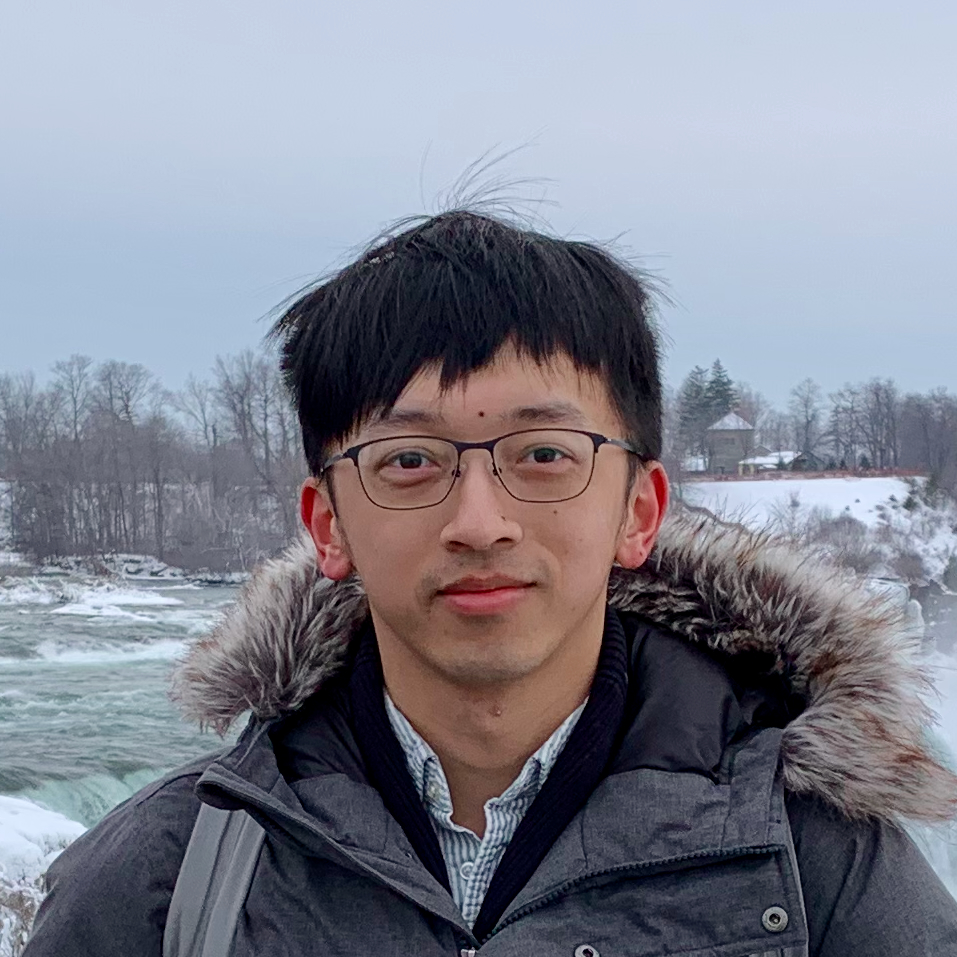
Yuan-Tang Chou 周圓唐
Assistant Professor, Department of Physics
Email: ytchou@mx.nthu.edu.tw
Office: Room 508, General Building III
Website: yuantangchou.com
Teaching assistants
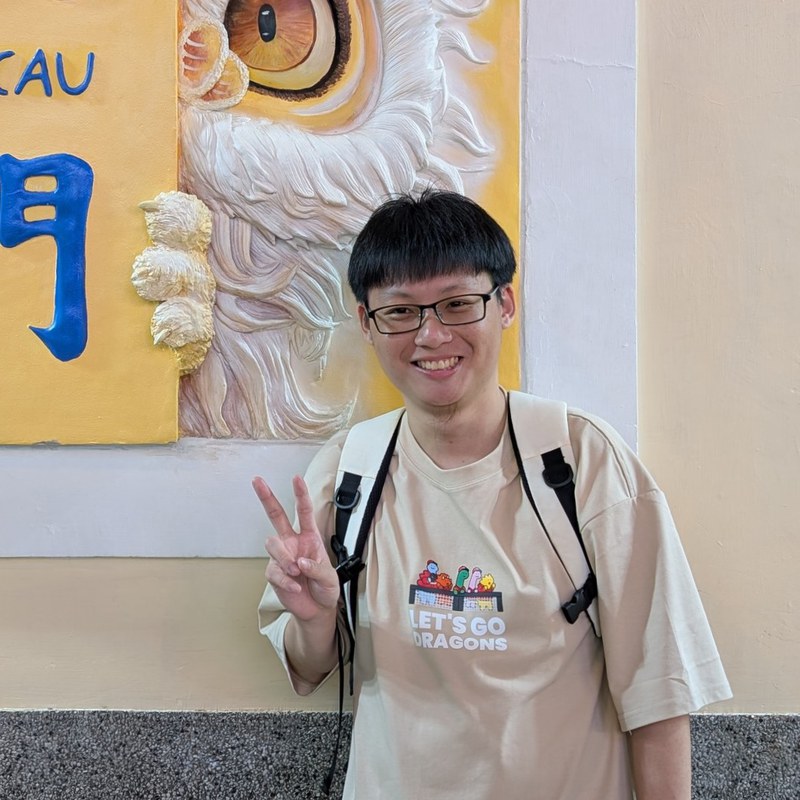
Logistics and policy
Assessment, submissions, and collaboration are covered in the syllabus; what to prepare beforehand is on Prerequisites.
Equipment
A laptop is all the hardware you need. Run the notebooks in Google Colab or Kaggle in the browser, or locally in VS Code — all three provide a GPU, as does NSTC Core. See Resources.
Generative AI ethics statement
Based on the principles of transparency and responsibility, this course encourages students to use AI for collaboration or co-learning to improve the quality of course outputs. This course adopts a "conditional use with disclosure of how generative AI is used in course outputs" policy. Students must briefly explain, in a footnote on the title page or after the references of course assignments or reports, how AI was used, such as for topic ideation, sentence polishing, or structural reference. If AI use is identified but not disclosed as required, the instructor, university, or relevant unit may re-evaluate the work or assign no credit. If instructors use AI to produce teaching materials or learning resources, they should also appropriately indicate such use in slides or orally. By enrolling in this course, students are considered to have agreed to the above ethics statement.
This statement follows NTHU's guidance on generative AI in teaching and learning, published by the Center for Teaching and Learning Development.
How this applies in practice
AI-assisted coding is strongly encouraged, and you disclose it in the results you submit. See Use of AI-assisted coding.
The same applies to me: this website and the course slides were built with the assistance of Claude Code, for drafting, formatting, and grammar checks.